Weight loss injections have rapidly gained popularity as a new tool in the fight against obesity – even in Ireland, where more than 60% of adults are overweight or obese[1]. These prescription medications (such as Wegovy, Mounjaro, and Saxenda) promise significant weight loss by curbing appetite and improving metabolism. Global demand for these "weight loss jabs" has surged to the point that manufacturers have struggled to keep up[2]. Many people are eager to try these treatments – even paying out of pocket[3] – after diet and exercise alone haven't led to sufficient results. In this guide, we'll explain what weight loss injections are, how they work, the main options available in Ireland, who can get them (and who shouldn't), how to obtain them (in-person or online through providers like Slimbr's free eligibility quiz), the costs involved, dosing schedules, expected results, side effects, and frequently asked questions. Our goal is to provide medically sound information in a patient-friendly way – and help you decide if these treatments might be right for you. If you're considering a weight loss injection, you can start by taking Slimbr's free online eligibility quiz to see if you qualify and get personalized guidance.
What Are Weight Loss Injections and Why Are They Popular?
Weight loss injections are prescription medications given via a tiny needle (usually in a pre-filled pen) that help reduce hunger and support weight loss. Unlike weight loss surgeries, these treatments are non-surgical and work by influencing your body's hormones related to appetite and digestion. Most of the injections available now belong to a class called GLP-1 receptor agonists, meaning they mimic a natural hormone (GLP-1) that helps regulate blood sugar and appetite. By doing so, they:
- Suppress appetite: They help control hunger, making you feel full on smaller portions[4].
- Slow digestion: They slow the emptying of your stomach, so you stay satisfied longer after meals[4].
- Improve metabolic health: They aid in balancing blood sugar levels and the way your body uses energy[4].
Combined with a healthy diet and exercise, these effects make weight loss more achievable and sustainable[4]. Clinical trials have shown remarkable results – far beyond what was possible with older weight loss pills. For example, Wegovy (semaglutide) helped patients lose around 15% of their body weight on average, and the newer Mounjaro (tirzepatide) showed up to ~20%+ average loss in trials[5]. This is a huge improvement compared to traditional diet medications (for instance, Saxenda's trials showed about 5–10% average weight loss[6][7]). These outcomes, widely reported in the media and on social media, have led to high interest. In Ireland and worldwide, people see these injections as potential "game-changers" for obesity – explaining their rapidly rising popularity.
It's important to note that weight loss injections are intended for individuals with clinical obesity or weight-related health issues – they are not cosmetic quick-fixes for shedding a few pounds. They must be prescribed by a doctor and used under medical supervision. When used appropriately, they can be a powerful aid. But they work best as part of a comprehensive weight management plan that also includes a calorie-controlled diet and increased physical activity[8]. In other words, these injections aren't a free pass to eat anything and skip exercise – you'll still need to make lifestyle changes for optimal results and long-term success. The injections can make those changes easier by reducing hunger and cravings.
How Do Weight Loss Injections Work?
The main weight loss injections available today all act on hormonal pathways that regulate appetite. Wegovy, Saxenda and Mounjaro are all in the GLP-1 agonist family (Mounjaro is actually a dual agonist that affects GLP-1 and another hormone GIP). Here's what that means:
GLP-1 (Glucagon-Like Peptide-1) agonists mimic a hormone your body naturally releases after eating. This hormone signals your brain that you're full, slows down stomach emptying, and helps the pancreas manage blood sugar. By injecting a medicine that acts like GLP-1, we amplify those fullness signals:
- Your brain gets the message that you've had enough to eat, reducing appetite and cravings.
- Your stomach empties more slowly, prolonging satiety (you feel full longer after meals).
- Blood sugar swings are smoothed out, which can reduce hunger and fat storage impulses.
In simple terms, these injections help you eat less and feel satisfied with smaller portions. Over time, that calorie reduction leads to weight loss – often quite significant when paired with diet and exercise efforts. For example, one of the injections (Wegovy, containing semaglutide) was originally a diabetes medication (Ozempic) at lower doses. Patients on it noticed weight loss as a side effect, which led to its development specifically as an anti-obesity drug[9][2]. Saxenda (liraglutide) works on the same principle but is a daily shot, whereas Wegovy is weekly. Mounjaro (tirzepatide) is a newer medication that activates two hormone receptors (GLP-1 and GIP) for an even stronger effect on appetite and blood sugar control, translating into even greater average weight loss.
A key thing to understand is that these medications affect your biology while you're taking them – but if you stop, the effects wear off. Your appetite hormones will eventually go back to baseline, which means hunger returns and weight can come back on if lifestyle changes aren't maintained[10][11]. Studies have found many patients do regain weight after stopping treatment. As a result, weight loss injections are often considered long-term or even lifelong therapies (similar to how we treat blood pressure or diabetes)[10]. This is still an active area of research, but going in, you should have a mindset that sustaining weight loss may require staying on the medication or having a plan to transition to another long-term strategy. We'll discuss this more in the FAQ ("Will I regain weight after stopping the injections?").
Finally, note that these injections must be self-administered correctly. They are given as a subcutaneous injection (a tiny needle under the skin) using a pen device. Common injection sites are the abdomen, thigh, or upper arm – and you rotate sites to avoid irritation[12][13]. The pens are designed to be easy to use, and your healthcare provider or pharmacist will show you how to do it. Most people find the injections become a quick, routine part of their week. Needles and sharps bins for safe disposal are usually provided with your prescription[14] (never reuse needles). Now, let's look at which specific injection treatments are available in Ireland.
Main Weight Loss Injection Options in Ireland
In Ireland, the primary prescription weight loss injections available are:
- Wegovy – weekly semaglutide injection (same ingredient as Ozempic) for weight loss.
- Mounjaro – weekly tirzepatide injection (a dual-action GLP-1/GIP agonist).
- Saxenda – daily liraglutide injection (an older GLP-1 agonist for weight loss).
All three are proven to help reduce body weight when used alongside diet and exercise. They differ in dosing schedule and how much weight loss they tend to produce. The table below summarizes some key comparisons:
| Medication | Dosing Schedule | Average Weight Loss |
|---|---|---|
| Wegovy (semaglutide) | Injected once weekly (prefilled pen) | ~15% of body weight on average[5] |
| Mounjaro (tirzepatide) | Injected once weekly (prefilled pen) | ~20% of body weight on average[5] |
| Saxenda (liraglutide) | Injected daily (prefilled pen) | ~5–10% of body weight on average[6][7] |
*Percentages are approximate trial averages for each drug when combined with diet & exercise; individual results vary.

In addition to the above, you may have heard of Ozempic – which is semaglutide like Wegovy, but officially it's a diabetes medication (lower dose) and not licensed for weight loss in Ireland. Some people used Ozempic off-label for weight management when Wegovy was not yet available, but with Wegovy now approved, Irish regulators advise using the proper weight-loss product (more on this in the FAQ). There are also oral weight loss medications (like Orlistat and Mysimba), but we'll focus on the injections here since they're the most effective new options. Now, let's break down each of the main injections in a bit more detail:
Wegovy (Semaglutide)
Wegovy is a once-weekly injection pen that delivers semaglutide, a GLP-1 agonist. It's the same active ingredient as Ozempic, but at higher doses intended specifically for weight loss. Wegovy was approved for obesity treatment in the EU in 2022[15] and became available in Ireland in late 2023–2024. In clinical trials, Wegovy users lost around 15% of their body weight on average over 68 weeks (about 1.5 years), compared to about 2–3% for those on placebo[5]. Many patients lost significantly more – over 20% of their weight – especially when combined with lifestyle changes.
Wegovy comes in a pre-filled pen that you inject once per week on the same day. To minimize side effects, the dose is increased gradually over several months. The typical Wegovy dosing schedule is:
- Week 1–4: 0.25 mg once weekly
- Week 5–8: 0.5 mg once weekly
- Week 9–12: 1.0 mg once weekly
- Week 13–16: 1.7 mg once weekly
- Week 17+: 2.4 mg once weekly (maintenance dose)
Each pen comes preset to deliver a fixed dose. You'll use four pens to complete each step (for example, four 0.25mg pens for the first four weeks, then four 0.5mg pens, etc). By about month 5, you reach the full 2.4 mg dose, which is the ongoing weekly dose. Most people start noticing reduced appetite and some weight loss within the first month or two – one study showed weight loss effects starting by week 4[16]. By three to four months, you and your doctor can evaluate progress. If you've lost at least 5% of your starting weight by around 3 months on the full dose, that's a good response; if not, doctors may consider discontinuing treatment[17] (more on this "5% rule" below).
Wegovy not only helps with weight – interestingly, it has shown additional health benefits. For example, in patients with heart disease, semaglutide reduced the risk of cardiovascular events by about 20% (independent of the weight loss itself)[18][19]. It's also being studied for other benefits in liver health and more. The main downsides are the side effects (especially nausea early on) and the cost (Wegovy is expensive and not yet covered by public health schemes in Ireland).
Mounjaro (Tirzepatide)
Mounjaro is the brand name for tirzepatide, a newer once-weekly injection that was originally approved for type 2 diabetes and, as of 2024, also approved in the EU for obesity treatment[20][21]. Tirzepatide is unique because it activates two hormones (GLP-1 and GIP), which together have an even stronger effect on appetite and metabolism. In the SURMOUNT clinical trials for obesity, Mounjaro produced unprecedented results – patients lost an average of about 20–22% of their body weight on the highest dose[22][23], with some losing 25% or more. This rivals the effectiveness of some bariatric surgeries, which is why there's so much excitement around Mounjaro.
Mounjaro is taken once a week via an autoinjector pen, similar to Wegovy. It also has a step-up dosing schedule to improve tolerability. The typical Mounjaro titration (for obesity) is to start at 2.5 mg weekly, then increase to 5 mg, 7.5 mg, 10 mg, 12.5 mg, and finally 15 mg weekly as the target dose. Each increase usually happens every 4 weeks, so it can take around 4–5 months to reach the 15 mg maintenance dose, depending on how you tolerate it. Many patients see appetite suppression early, but significant weight loss tends to ramp up as the dose increases. In trials, about 4-6 weeks in, patients began seeing measurable weight reductions[24], and major results came after several months on higher doses.
As of 2026, Mounjaro is a bit newer to the weight loss scene in Ireland. It is available by prescription through specialist clinics and some online providers, though initial supplies may be limited while the manufacturer scales up production. It's worth noting that tirzepatide was in such demand that in some markets (like the US) there were shortages. If prescribed Mounjaro, you'll need the same monitoring as with other GLP-1 injections. The side effect profile is similar (gastrointestinal side effects are common). Mounjaro might be considered if you have a lot of weight to lose or if you didn't get enough results with semaglutide, given its higher potency. However, it's also very expensive (likely on par with or higher than Wegovy – we'll cover costs shortly) and likewise not publicly reimbursed for weight management yet.
Saxenda (Liraglutide)
Saxenda is a daily weight loss injection containing liraglutide, another GLP-1 agonist. Saxenda has been around longer – it was approved for weight management in Europe in 2015. It's actually the lower-dose version of a diabetes drug called Victoza. Because it's taken daily, Saxenda requires a bit more commitment in terms of injections, but some people prefer its slower, steady approach. On average, Saxenda users lose about 5%–10% of their body weight over ~4–5 months of use[6][7], and potentially more (10–15%) over a full year or longer if they respond well and adhere to diet and exercise. Saxenda's effectiveness, while significant for many, is generally less than Wegovy's or Mounjaro's; indeed, newer guidelines consider semaglutide and tirzepatide the more powerful options[25]. Nonetheless, Saxenda has a proven track record and may be an option especially if weekly injections aren't suitable for you or while Wegovy/Mounjaro supplies are catching up with demand.
Saxenda is injected once daily, at around the same time each day that suits you. Like the others, you start at a low dose and increase gradually to mitigate side effects. The standard Saxenda dosing schedule is:
- Week 1: 0.6 mg daily
- Week 2: 1.2 mg daily
- Week 3: 1.8 mg daily
- Week 4: 2.4 mg daily
- Week 5 and onward: 3.0 mg daily (full dose)
You'll use one pen at a time; each Saxenda pen contains 3 ml of solution (18 mg total) and will last several days to a week depending on your dose. A pack of five pens is roughly a month's supply once at the full 3 mg dose (since 3 mg per day uses up a pen in 6 days)[26][27]. As with the weekly injections, doctors usually check progress around the 3-4 month mark. By 17 weeks (about 4 months) on Saxenda, if you haven't lost at least 5% of your starting weight, guidelines say you should stop Saxenda as it's unlikely to be effective for you[28][29]. If you have lost 5% or more, you can continue – some people then go on to lose 10% or even 15%+ at the one-year point[6].
Saxenda's daily injections might sound less convenient, but the pen devices make it fairly simple. Many patients incorporate it into their morning or bedtime routine. Because Saxenda uses a smaller dose each day, side effects can sometimes be milder at the beginning (though you still escalate to a potent dose). Saxenda is currently the only weight loss injection that has some coverage within the Irish public health system: since 2023, it can be prescribed through HSE specialist weight management services and covered for certain high-risk patients (those with BMI ≥35 and pre-diabetes, etc.)[30]. However, access is limited and most people who use Saxenda in Ireland still pay privately.

Eligibility Criteria in Ireland (Who Qualifies?)
Who are weight loss injections meant for? In medical guidelines, these treatments are intended for adults who are obese or significantly overweight with health complications. The typical criteria are based on Body Mass Index (BMI):
- BMI ≥ 30: Eligible for weight loss medication if no contraindications[31].
- BMI 27–29.9 with a weight-related condition: Eligible if you have at least one comorbidity such as type 2 diabetes, high blood pressure, high cholesterol, sleep apnea, or other weight-aggravated conditions[32][33]. (Some guidelines use ≥27, others ≥27.5; in practice 27+ with conditions is considered.)
For example, someone with a BMI of 28 who has hypertension and pre-diabetes might qualify, whereas a completely healthy person with BMI 28 generally would not. Your doctor will assess your overall health profile. In Ireland, ages 18 to 75 are generally the range for these prescriptions[32] (they're not approved for children here, and usage in older adults over ~75 is cautious due to limited data).
Additionally, before prescribing, the doctor will ensure you don't have any medical contraindications that make weight loss injections unsafe for you. You will typically not be able to use these treatments if:
- You are pregnant or breastfeeding (weight loss drugs are off-limits in pregnancy, and one should stop them at least 2 months before trying to conceive)[34].
- You have a history of a serious allergic reaction (e.g. anaphylaxis) to any of the injection ingredients[35].
- You have certain digestive system conditions like inflammatory bowel disease, pancreatitis, or gallbladder disease that could be worsened[36].
- You have severe organ diseases (for example, advanced kidney, liver, or heart failure)[37][36].
- You have an underlying eating disorder or uncontrolled endocrine disorders affecting weight (like uncontrolled thyroid disease or Cushing's syndrome)[38].
- You are on certain medications that could interact (your doctor will review your med list).
- You're under 18 years old (these injections are not approved for minors in Ireland outside of clinical trials).
There are also some special considerations: For instance, people with a personal or family history of a rare thyroid cancer (medullary thyroid carcinoma) or MEN2 syndrome are advised not to use GLP-1 agonists as a precaution, based on rodent studies. This is quite rare, but it's one of the screening questions. Additionally, if you have type 2 diabetes and are already on medications like insulin or sulfonylureas, doctors will manage you carefully on a weight loss injection to avoid low blood sugar episodes (since these injections can lower blood sugar). Note that having diabetes itself is not a contraindication – in fact many patients with obesity and diabetes can benefit greatly from GLP-1 medications – it just needs coordination with existing diabetes treatment.
During the eligibility screening process (whether online or in-person), you will typically be asked to provide your height and weight (to calculate BMI) and some proof of those measurements. Online services may ask for a recent weight check verified by a pharmacist or a video showing your weight on a scale[39][40], to ensure accuracy. They'll also check your ID (to confirm you're an adult and the prescription is for you)[39]. Don't be surprised by these steps – they're standard safety measures. Ultimately, a qualified doctor will review your information and determine if it's medically appropriate to prescribe a weight loss injection.

How to Get Weight Loss Injections in Ireland
You cannot buy Wegovy, Saxenda, Mounjaro or similar weight loss injections over the counter – they require a prescription from a doctor[41]. There are a few legitimate pathways to obtain a prescription in Ireland:
- Through your GP or specialist: You can start by talking to your family doctor (GP) about weight loss treatments. Many GPs can prescribe these medications if you meet the criteria, or they might refer you to an obesity specialist or endocrinologist (especially if considering Mounjaro or if you have complex medical history). The doctor will do an assessment, possibly some blood tests, and if appropriate, give you a prescription. You would then take that prescription to a pharmacy to be filled. Be aware that some GPs may not be very familiar with the newest injections yet, or they may want you to try lifestyle changes first or refer you to a dietitian – experiences vary.
- Through an online clinic (telemedicine): In Ireland, you have the option of using regulated online healthcare providers to get weight loss treatment. For example, Slimbr is an online weight loss clinic where you can complete a medical questionnaire and a licensed Irish doctor will review your case. Slimbr offers a free eligibility quiz as a first step – if you qualify, they arrange a prescription and the medication for you without needing an in-person visit. Services like this typically involve an online form covering your health history and weight journey, identity verification, and sometimes a video consultation or follow-up messages with the doctor. If approved, the prescription can be sent to a partner pharmacy or delivered. Tip: When using online services, ensure they are reputable and use Irish-registered doctors (to avoid any risks of counterfeit products). Slimbr, for instance, uses Irish Medical Council-registered GPs and sends prescriptions via secure health mail to Irish pharmacies, similar to other trusted providers[42][43]. The convenience of an online clinic is that you can get evaluated from home and often get started faster – in some cases, the same day[44][45].
- Through a pharmacy weight-loss program: Some pharmacy chains in Ireland have launched weight management services in coordination with online doctors. For example, Boots Ireland's Weight Loss Treatment Service allows you to have an online consultation with a doctor (via partner services like WebDoctor or HealthHero) and then do follow-up check-ins at a Boots pharmacy[46][47]. In these models, you still get a prescription from a doctor, but the pharmacy provides extra support like weekly weigh-ins or a "Weight Check Consultation" in person[48][49]. The medication itself is then dispensed at the pharmacy. Lloyds and some other pharmacies have similar offerings. These programs can be good if you appreciate face-to-face support; just note you'll likely need to visit the pharmacy regularly (often weekly or monthly) for monitoring.
No matter which route you choose, the process typically involves a medical consultation (online or offline), a prescription if you are eligible, and then obtaining the medication. Because these medications are injectable and new, the healthcare provider should educate you on proper use. For instance, they'll show you how to use the pen, what schedule to follow, and what to do if you experience side effects. They will also clarify the plan for monitoring progress. Generally, you'll be advised to report your weight loss after 3 months; losing at least 5% by 3 months on treatment is often required to continue therapy[17]. If that goal isn't met, the doctor might discontinue the injections and explore other options (since not everyone responds to these meds)[50]. This check is both for safety and cost-effectiveness.
Beware of illegitimate sources: Because of high demand, there have been cases of people trying to buy "weight loss injections" online from unregulated websites or even black market sources. This is dangerous – you might receive a fake or unsafe product. Always go through a licensed provider or pharmacy. In Ireland, a pharmacy will not dispense Wegovy, Saxenda, etc., without a valid prescription. If you have any concerns or are unsure how to start, you can take Slimbr's free quiz or consult with an Irish pharmacist who can point you in the right direction. The key is to involve healthcare professionals at every step.
Dosing Schedules and Expected Results
Each weight loss injection has its own dosing schedule (as we described in their sections). Here's a quick recap and what results you can expect:
- Wegovy: Weekly injection, titrated from 0.25 mg to 2.4 mg over ~5 months. Many people lose about 0.5–1 kg per week once on the full dose[61], and ~15% body weight over a year is average[5]. Some start noticing a difference by the 4th week[16]. By 3 months at goal dose, you should see meaningful loss if it's going to work. If not ≥5% down by ~3 months on 2.4 mg, doctors may stop it[17]. For those who respond well, weight loss can continue past the first year, especially with ongoing lifestyle efforts. Clinical studies have even shown improvements in blood pressure, cholesterol, and a lower incidence of developing type 2 diabetes while on Wegovy.
- Mounjaro: Weekly injection, titrated from 2.5 mg to 15 mg over ~20 weeks (5 months). Expected weight loss is slightly higher – averages of ~1 kg per week once on higher doses are reported. In trials, 9 out of 10 patients on tirzepatide 15 mg lost ≥5% weight, and over half lost ≥20% weight after ~72 weeks (1.5 years) of treatment. We still use the 3-4 month checkpoint of ~5% loss to gauge early response. If you haven't lost a few kilograms after reaching, say, 10 mg, there might be a discussion about alternatives (though some individuals just need a bit more time at high dose). Mounjaro's weight loss tends to plateau around the 1.5–2 year mark, at which point many patients have lost a substantial amount if they adhered to the program. As with Wegovy, continued treatment is usually needed to maintain the loss.
- Saxenda: Daily injection, titrated from 0.6 mg to 3.0 mg over 5 weeks (or sometimes longer if side effects require slower titration). Weight loss with Saxenda is more gradual. Many patients see a few kilograms drop in the first month or two once their appetite decreases. An average might be ~3–4 kg lost by 3 months, and maybe 6–8% of body weight by 6 months, but there's wide variation. Remember the guideline: about 5% loss by ~4 months (17 weeks) is considered a sign it's working[62][63]; if you haven't hit that, it may not be worth continuing. Those who do respond can lose 10% or more by one year. Saxenda's results also depend a lot on diet adherence – because it's a milder effect, sticking to the recommended low-calorie diet is crucial to see good outcomes. After stopping Saxenda, weight regain is common (as with the others) unless a maintenance plan is in place.
No matter which medication, doctors emphasize that weight loss is a gradual process – you won't see all the results overnight[64]. These treatments are designed to work over many weeks and months. It's also normal for weight loss to taper off over time: often, the most rapid loss is in the first 6 months, then it slows and stabilizes. Hitting a plateau doesn't necessarily mean the drug stopped working; it might mean you've reached a new equilibrium and need to reassess your calorie intake or activity level, or just need to persist longer. Sometimes healthcare providers will pause dose increases to let your body adjust if side effects are an issue, which can also slow down the timeline slightly – but safety first.
It's worth noting that roughly 10–20% of patients might be "non-responders" to GLP-1 therapy[65], meaning they don't lose much weight even if everything is done correctly. If you fall in that category, don't be discouraged – it's a known possibility. The doctor will likely discontinue the medication and explore other approaches (there are new medications in development, or combinations that might help). What's important is that you give it your best effort with the lifestyle changes during the trial period, so that if it doesn't work well, you know it wasn't due to lack of adherence.
On the flip side, if you respond really well, you might reach a healthy weight faster than expected. Some people on these injections lose so much weight that they essentially "graduate" off obesity medication – but again, maintaining without it can be challenging. Most will stay on a lower maintenance dose or be very closely monitored if the medication is stopped. Always consult your doctor before making changes to dosing or deciding to stop – there can be strategies to transition off safely, including stepping down doses, to minimize rapid weight regain.
Finally, a common question is: "Do I have to take these injections forever?" The honest answer at this time is: possibly, yes – at least until better long-term solutions are found. Obesity is increasingly understood as a chronic, relapsing condition. Just as we wouldn't expect a person with high blood pressure to take a pill for 6 months and be cured for life, we can't expect a few months of a weight loss drug to permanently "fix" obesity. That said, research is ongoing, and some patients do manage to maintain weight by transitioning to other means (like intensified lifestyle programs or surgery). For now, plan for the long haul, and celebrate the health improvements you achieve along the way.
Choose your height and weight to get started
Why It Works
Our weight management program combines professional support with proven strategies. Each journey is personalized to your needs with expert guidance.
Backed by science: Findings align with peer‑reviewed research. See JAMA Network Open study.
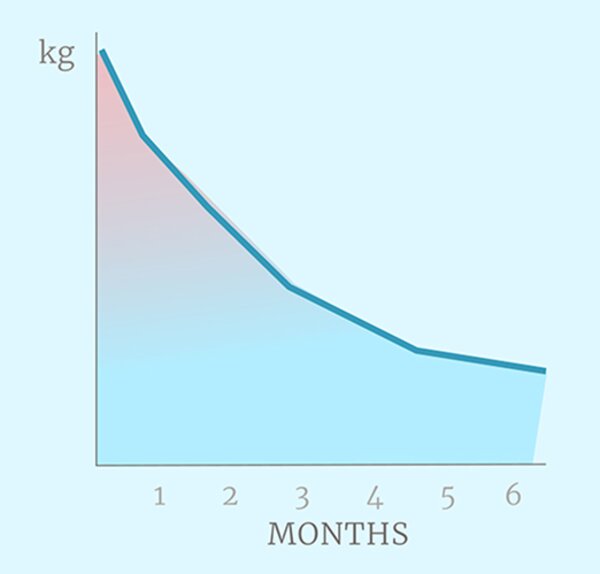
Our approach helps manage hunger naturally, keeping you satisfied longer. Studies show people lose around 10–14 kg in 6 months with the right support, professional check-ins and a behavioral companion app for tracking and accountability
Side Effects and Medical Risks
All medications can have side effects, and weight loss injections are no exception. However, for most people these side effects are tolerable and often diminish over time as your body adjusts. Below we cover the common side effects, how to manage them, and rare but serious risks to be aware of.
Very common side effects (experienced by more than 1 in 10 people) for GLP-1 injections like Wegovy, Saxenda, and Mounjaro are mainly gastrointestinal (GI) issues[66]:
- Nausea – feeling sick to your stomach
- Vomiting
- Diarrhea
- Constipation
- Stomach pain or cramping
About 60–70% of patients will have some GI symptoms, especially in the early stages[67]. Nausea is by far the most frequently reported side effect. The good news is these symptoms are usually mild to moderate and tend to improve as you continue the medication (hence the importance of the slow dose escalation – jumping straight to a high dose would cause more severe nausea)[68]. If you experience nausea or stomach upset, some tips include: eating smaller, bland meals; avoiding very rich or greasy foods; staying hydrated; and possibly taking the injection at a time of day when you can rest if you feel queasy. Over-the-counter remedies like ginger or peppermint may help, but always check with your doctor before taking any additional medications. If the nausea is severe, contact your healthcare provider – they may advise pausing at your current dose a bit longer before increasing, or in some cases prescribing an anti-nausea medication. Never jump to the next dose if you're struggling with side effects; giving your body extra time can make a big difference[69][70].
Other common side effects include:
- Injection site reactions: You might get some redness, itching, or bruising where you inject[71]. Rotating sites and using proper technique (let the alcohol swab dry before injecting, etc.) helps. These reactions are usually minor and go away quickly.
- Headache: A headache now and then was reported by some patients on these medications[72]. Make sure you're staying hydrated. Usually, this isn't severe; a mild pain reliever can be used if needed.
- Dizziness or fatigue: Some people feel a bit lightheaded or tired as their body adapts[73]. Eating regular small meals (to avoid low blood sugar) and rising slowly from sitting can help if you feel dizzy. Fatigue can also be a byproduct of reduced calorie intake; ensure you're still getting balanced nutrition.
- Altered taste: A funny taste in the mouth or changes in appetite for certain foods can happen (some find they no longer enjoy coffee or fried foods as much, for example). This isn't harmful and sometimes even helpful for weight loss!
- Difficulty sleeping: A small subset of patients reported slight insomnia or trouble sleeping, usually in the first few months[71]. This tends to resolve. Good sleep hygiene (limiting screens at night, etc.) is recommended.
- Increased heart rate: GLP-1 drugs can cause a slight increase in resting heart rate. This is usually mild, but your doctor might monitor it if you have a history of heart issues. If you feel palpitations (racing heartbeat), let your doctor know[73].
- Gallstones: Rapid weight loss itself can increase the risk of gallstones for some people. There have been reports of gallbladder issues (including gallstones or inflammation) in patients on semaglutide and liraglutide[74]. Be alert for any sudden intense pain in the upper right abdomen, as that could signal a gallbladder attack – report such pain to a doctor. Sometimes, a preventative medication like ursodeoxycholic acid is given during rapid weight loss to reduce gallstone risk, but that's not routine for everyone.
- Low blood sugar (hypoglycemia): This is primarily a concern if you have diabetes or prediabetes and are on other glucose-lowering drugs. On their own, these weight loss injections have a low risk of causing hypoglycemia in people without diabetes[74]. But if you take insulin or sulfonylureas, your doctor will adjust those because combining them with a GLP-1 can drop blood sugar too much. Symptoms of low blood sugar include shakiness, sweating, confusion – treat by consuming quick sugar (juice, glucose tablets) and seek medical advice.
Serious side effects are uncommon, but you should know about them and seek immediate medical attention if they occur:
- Severe allergic reaction: This could manifest as difficulty breathing, swelling of the face/tongue, hives, or a rapid heartbeat after the injection – call emergency services if you suspect anaphylaxis[75]. This is very rare, but any medication can potentially cause it in susceptible individuals.
- Pancreatitis (inflammation of the pancreas): GLP-1 medications have been linked to rare cases of pancreatitis. Signs include severe persistent abdominal pain (often radiating to the back) accompanied by vomiting[76]. If you have these symptoms, go to a hospital. Pancreatitis is serious and usually requires stopping the medication and receiving treatment. It's rare but important to catch early. Prior episodes of pancreatitis or high triglycerides might put you at higher risk, so inform your doctor if you have that history.
- Kidney injury: Very rarely, excessive vomiting from these drugs could lead to dehydration and kidney issues. That's why staying hydrated is important, especially if you have any bouts of vomiting or diarrhea.
- Suicidal ideation: A very small number of patients on weight loss medications have reported depression or thoughts of self-harm. It's unclear if the drug contributes or it's related to the psychological aspects of weight loss. In any case, mental health is just as important as physical – if you notice mood changes, notify your healthcare provider. (Some regulatory bodies require monitoring of mood on certain obesity meds. While GLP-1 drugs aren't known for this effect the way some older weight-loss drugs are, it's good to be mindful of any changes.)
As you can see, the serious risks are quite uncommon, and for the majority of people the main challenge will be managing the routine side effects like nausea. In practice, most people tolerate these medications well enough, especially after the first few weeks. The key is open communication with your doctor: if you encounter side effects, let them know. Sometimes just a simple adjustment or piece of advice can help, such as pausing a dose increase or taking an injection at a different time of day.
Notably, these treatments should be avoided entirely during pregnancy or breastfeeding. If a patient becomes pregnant while on a weight loss injection, she should stop it immediately and inform her doctor[34]. Women of childbearing age on these medications are usually advised to use reliable contraception and plan to discontinue the drug a couple of months before attempting to conceive, as mentioned earlier. The reason is we don't want to risk any potential effects on a developing fetus – the safety hasn't been established for that scenario.
Lastly, always read the patient information leaflet that comes with your medication. It will list all potential side effects and warnings in detail[77]. That leaflet is a great reference if you're unsure whether something you're feeling could be related to the drug. But don't be overwhelmed by the list – by law, they include every reported effect, even if extremely rare. Your healthcare providers will highlight the main things to watch for. With proper medical oversight, weight loss injections have been deemed safe for the appropriate patients[78], and millions of people globally are now using them to improve their health. Just make sure to keep all follow-up appointments, do your blood tests if required, and report any unusual symptoms, to stay on the safe side.

It's your turn to be a success story
Real people. Real results. Every transformation you see here started with the same first step — deciding to begin. With expert support, proven methods, and the Slimbr system of nutrition and accountability, hundreds of men and women have already changed their lives.
These aren't quick fixes. They're evidence-based approaches proven to deliver sustainable weight loss and lasting confidence. Now it's your turn to see what's possible.
Ready to start your transformation?
Join hundreds of successful patients who've transformed their lives with Slimbr
BOOK A FREE CALLJoin thousands of successful patients
Cost of Weight Loss Injections in Ireland – What to Expect
Cost is an important consideration, as these medications are not cheap. Currently in Ireland, weight loss injections are not covered by the public health system (Medical Card or Drugs Payment Scheme) for most people[51][52]. The exception is Saxenda in certain high-BMI patients via specialist HSE clinics, but even that is limited. So, most patients will be paying privately. Here's a breakdown of the typical costs:
- Wegovy (semaglutide): The price in Ireland ranges from about €240 to €355 per month, depending on the dose[51]. At the starting dose (0.25 mg weekly) a pack of 4 pens costs roughly €240. As the dose increases, the price goes up – the highest dose pack (2.4 mg weekly, 4 pens) is around €350–€360[53]. So, your first few months might be ~€240/month, and then it could be ~€355/month once on maintenance. Wegovy pens come with needles included.
- Mounjaro (tirzepatide): Precise Irish pricing isn't widely published as of 2026, but it is expected to be in the same ballpark or slightly higher than Wegovy. In the UK, Mounjaro pens privately cost around £150–£250 per month depending on dose[54], so we can estimate in Ireland it may be €300+ per month at higher doses. As more pharmacies stock it, we'll see the exact figures. For detailed information on Mounjaro pricing, eligibility, and dosing, see our complete Mounjaro Ireland guide. Mounjaro also typically includes needles with the pen. Some providers might bundle a starter set (e.g. one pen of each dose as you titrate).
- Saxenda (liraglutide): Saxenda is sold in a pack of 5 pens. The cost in Ireland is roughly €300–€350 for 5 pens (varies by pharmacy). For example, some Irish patients report paying about €240–€300 for a month's supply. Healthwave Pharmacy lists Saxenda at around €75 per pen, which is ~€375 for five, but member discounts and competition have brought it to the low €300s in many places. On the Drugs Payment Scheme (if you qualify under the HSE criteria), the cost could be brought down to the €80 monthly cap – but again, that's only if you are in the small group meeting HSE's reimbursement criteria[55]. For most private payers, budget ~€300 a month for Saxenda. Note that you also need to purchase pen needles if they're not provided – usually the pharmacy will include a supply of needles and a sharps bin at no extra charge (Superdrug, Lloyds, Slimbr, etc., often include these).
In addition to medication costs, consider the following potential costs:
- Initial consultation or assessment fee: Some services charge a fee for the doctor consultation or prescription. For instance, Webdoctor.ie's weight loss injection consultation is about €50 for the prescription request[56] (or ~€90 if you opt for a one-on-one video consultation)[57]. Slimbr's model is a bit different – the eligibility quiz is free, and you pay for the treatment plan/medication if you proceed (Slimbr may bundle the medical review cost into the service). Traditional private clinics may charge €100+ for an initial visit. Always check if the consult fee is separate from the medication cost.
- Follow-up consultations: If you are going through a GP or clinic, there might be follow-up appointment costs (though often these can be with a practice nurse or via phone to just check progress). Online services might include follow-ups in their fee or charge a smaller fee for ongoing check-ins. Slimbr provides support as you go, and many online providers include message access to a doctor or healthcare team for any issues.
- Pharmacy dispensing fee: In Ireland, pharmacies sometimes add a dispensing fee, but for expensive items like these, it's usually negligible relative to the drug cost (some online pharmacies incorporate everything into the listed price). If using an online service, delivery might be included or cost extra – clarify if you'll collect from a pharmacy or get home delivery.
- Supplies: As mentioned, needles and a sharps disposal container are typically included at no cost with injectable weight loss meds[58][59]. Boots, for example, provides a free 1L sharps bin and free disposal for patients on these injections[58]. Webdoctor and Slimbr also include needles and a sharps bin in the starter kit[14]. So you shouldn't have to pay separately for these basic supplies.
To summarize, expect around €250–€350 per month for the medication itself, once you're on a full dose. The first couple of months might be a bit cheaper for Wegovy/Mounjaro because of lower starting doses. There may be an upfront consult fee (~€50-€100) unless you go through a free pathway. If cost is a barrier, discuss it with your doctor – sometimes starting with Saxenda (if it's slightly cheaper or can be covered by the state for you) is an option, or you could consider one of the weight loss pill alternatives like orlistat which are cheaper (though less effective). Do keep in mind that the health benefits of losing weight – reduced risk of heart disease, diabetes, joint problems, and so on – can be significant[60], so many patients find the investment worthwhile if the medication works for them.

Get Started with Weight Loss Injections in Ireland
Start your weight loss injection journey with a professional medical consultation. Our licensed practitioners will assess your eligibility and, if appropriate, provide a prescription for Wegovy, Mounjaro, or Saxenda. Medication can be sourced from trusted pharmacy partners.
Get StartedFAQ: Frequently Asked Questions about Weight Loss Injections
Are weight loss injections safe?
When used as directed in eligible patients, weight loss injections like Wegovy, Saxenda, and Mounjaro are considered safe and effective by medical authorities[78]. "Safe" means that their benefits outweigh the risks for the target population (people with obesity or weight-related health issues). These drugs have undergone clinical trials and have been approved by the European Medicines Agency for use in Ireland. However, "safe" doesn't mean "risk-free" – they do have side effects (mostly gastrointestinal discomfort) and contraindications as discussed above. That's why they require a prescription and periodic monitoring. It's important to be honest in your medical questionnaire or discussions so the doctor can determine if it's safe for you personally. Used appropriately, these injections can be a safe tool for weight loss, leading to improvements in blood sugar, blood pressure, and other health parameters alongside the weight reduction. Always follow your provider's instructions and don't take more than prescribed (taking a higher dose won't make you lose weight faster, but it can cause more side effects[70]!).
Can I get weight loss injections without a prescription in Ireland?
No. All GLP-1 weight loss medications (Wegovy/semaglutide, Mounjaro/tirzepatide, Saxenda/liraglutide) are prescription-only medicines in Ireland and cannot be bought over the counter[41]. You must have a valid prescription from a doctor. This is crucial for safety – a medical professional needs to assess your health and supervise the treatment. If you come across any website or supplier offering to sell these injections without a prescription, it's likely illegitimate and potentially dangerous. The same goes for someone offering you leftover pens or "a friend got it for me" – you should only use these medications under your own prescription. The proper way to obtain them is through the channels we discussed (GP, online clinic, etc.). Besides being illegal to supply without prescription, using these unsupervised can put you at risk if, say, you have an undisclosed condition or if what you bought isn't the real medication. So, in short: consult a doctor and get a prescription. The good news is services like Slimbr make the process convenient – you can get the prescription online if appropriate, rather than needing to wait months for a specialist appointment.
Is Ozempic the same as Wegovy, and can I use Ozempic for weight loss?
Ozempic and Wegovy both contain semaglutide, but Wegovy is the version officially approved for weight loss in Ireland, whereas Ozempic is approved for type 2 diabetes. They are essentially the same drug at different doses. Wegovy pens deliver higher doses (up to 2.4 mg weekly) aimed at obesity treatment[15], while Ozempic pens are dosed for diabetes (0.5 mg or 1 mg weekly typically, though a 2 mg Ozempic dose exists too). In some countries during Wegovy shortages, doctors did prescribe Ozempic off-label for weight management. However, in Ireland, the recommended approach is to use Wegovy for obesity, since it's specifically licensed for that[79]. Using Ozempic for weight loss would be an off-label use here and is generally discouraged now that Wegovy is available – plus Ozempic supply needs to be preserved for diabetics. In summary: yes, it's the same active ingredient, but if you're seeking treatment for obesity, you should go for Wegovy (or another approved weight loss injection) rather than Ozempic. Always follow medical guidance; don't try to DIY with Ozempic bought online (besides the legal issues, you might not get the dosing right or have the proper support).
Do I need to have diabetes to use Wegovy or Mounjaro?
No, you do not need to have diabetes. Wegovy and Mounjaro are indicated for people with obesity (or overweight with comorbidities), regardless of whether they have diabetes or not[80]. In fact, the majority of participants in weight loss clinical trials for these drugs did not have diabetes – they had obesity. These medications were originally developed for diabetes (in their forms Ozempic and Mounjaro at lower doses), but it was found that non-diabetic individuals with obesity could benefit greatly from them as well. So as long as you meet the BMI (and/or comorbidity) criteria, you are eligible on that basis alone. Some patients with obesity also have pre-diabetes or diabetes, and in those cases the injections can address both issues simultaneously (which is a nice bonus). But having diabetes is not a prerequisite. To put it simply: These treatments are for weight loss and can be used by people who don't have diabetes – the doctor will just screen your health to make sure it's suitable.
Will I regain weight after stopping the injections?
Probably yes, at least some of it – this is one of the challenges with this therapy. As discussed earlier, these medications don't "cure" obesity; they control it while you're taking them by suppressing appetite. If you stop, your body's appetite signals will likely ramp up again to where they were before. Studies and real-world experience have shown that many people do regain weight after discontinuation, especially if it's stopped suddenly and not coupled with an alternative strategy[10][11]. For example, a trial of semaglutide found that participants regained a significant portion of weight back within 1 year of stopping the drug, although not all the way to baseline. This isn't unique to injections – people who stop any weight loss intervention (diet, medication, etc.) often experience regain. The best way to minimize regain is to have a maintenance plan: continue with a healthy diet and exercise regimen, possibly transition to a less potent medication or a lower dose for maintenance (some doctors consider staying on a lower dose rather than stopping completely), or even consider other aids like therapy or support groups to cement lifestyle changes. If you do stop the injections, do so under medical advice. And don't view regain as a personal failure – obesity is chronic and complex, and your body will naturally push back when weight is lost (via hunger hormones, etc.). Researchers are working on ways to help maintain weight loss after stopping medication, but for now, be prepared that you might need to be on treatment long-term or accept that some regain could happen if you cease therapy. The focus should be on improving health in the long run, not just the number on the scale at one moment in time.
How long will I need to stay on a weight loss injection?
It depends on your individual situation, but many experts anticipate that these medications may be needed for the long term (several years, possibly indefinitely) to maintain the benefits. Current guidelines often say to evaluate at 12 weeks (3 months) and annually thereafter. If you're responding well, you'd typically continue. Some patients choose to take it until they reach a target weight, then try stopping to see if they can maintain with lifestyle changes alone – but as mentioned, weight regain is common after stopping. Others may take it for a defined period (say, 1–2 years) and then reassess. In the diabetes field, drugs like these are taken chronically; obesity treatment is likely similar. That said, it's an evolving area. Perhaps you lose so much weight and fundamentally change your habits that you can keep it off; in that case, a discussion can be had about stopping. But if the weight creeps up, one might resume the medication. There's no fixed "course length" like there is for, say, antibiotics. Think of it more like managing hypertension – some people stay on blood pressure pills for life because the condition is ongoing. Obesity can be analogous. However, it will be personalized – some may take breaks, some may drop to a maintenance dose (e.g., a lower dose injection just to keep appetite in check). Work with your doctor to figure out the minimal effective dosing schedule for maintenance if long-term treatment is needed. And keep an eye on upcoming therapies – it could be that in a few years, other options (like oral versions or combination therapies) become available that change the game.
Are these treatments available through the public health system or covered by insurance?
Public system (HSE): For the most part, no – the average person will not get Wegovy or Mounjaro paid for by the HSE right now. The HSE has started a program in specialist centers to provide Saxenda (liraglutide) to certain patients with very high BMI (≥35) and pre-diabetes or other high-risk conditions[30]. If you fall into that category, you might be referred to a hospital weight management clinic, and if deemed suitable, Saxenda could be provided under the drug schemes. Wegovy's manufacturer actually withdrew their application for HSE reimbursement in 2022 (likely due to supply issues and cost considerations)[81], so as of 2026 Wegovy is not covered by the medical card or Drug Payment Scheme – it's private only[51][52]. Mounjaro for obesity is too new to be on any covered list yet. So, practically speaking, if you're going through the public route, you might get lifestyle program referrals, and in some cases Saxenda, but not the newer drugs. That may change in the future as the health economics are evaluated. As for private insurance, most Irish private health insurance plans do not cover weight loss medications either. They might cover dietitian visits or surgery in certain cases, but medications for obesity are usually excluded (some classify it as a "lifestyle" thing, which is controversial). It's worth checking your specific policy, but don't be surprised if it's not covered. One avenue: if you have significant co-morbidities (like uncontrolled type 2 diabetes, etc.), a case might be made for Ozempic/Mounjaro under those indications, but that's a stretch for insurance. So, budget for out-of-pocket costs when considering these treatments.
Do I still need to diet and exercise if I'm on a weight loss injection?
Absolutely, yes. Think of the injections as a boost or aid to help you implement lifestyle changes – not a replacement for those changes. All the studies of these medications were done in conjunction with a recommended diet and physical activity regimen[82][83]. You will get far better results if you follow a healthy, calorie-reduced diet and keep active, than if you rely on the medication alone. For instance, eating high-calorie junk food all day could counteract the calorie deficit from the shot. The medications help make it easier to stick to the diet (since you won't feel as hungry and may naturally eat less), but you still have to make mindful food choices. Aim for a balanced diet with plenty of vegetables, lean protein, and high-fiber foods, and limit sweets and high-fat foods[84][85]. Also, regular exercise is encouraged – not just for weight loss, but for cardiovascular health, mood, and preserving muscle mass as you lose fat. Even moderate activities like brisk walking, cycling, or swimming a few times a week are beneficial. Some people find their energy and mobility improve as they lose weight, making exercise easier. Use that to your advantage to build lasting habits. In short, the injection sets the stage (by controlling appetite and metabolism), but you still need to do the performance through diet and exercise. This combined approach will also help you keep the weight off as long as possible.
Who should not take weight loss injections?
You should not use these treatments if you fall into any of the categories of contraindications we discussed. To recap the major ones: Do not take a weight loss injection if you are pregnant, breastfeeding, or actively trying to become pregnant (you'll need to pause until you're past the pregnancy/breastfeeding period)[34]. Do not take it if you have a known history of medullary thyroid carcinoma or MEN2 genetic syndrome (speak with your doctor for alternatives). Avoid it if you've had pancreatitis before – relative contraindication, as GLP-1s could potentially trigger another episode[76]. Also, these are not appropriate if you have an eating disorder like anorexia or bulimia – those conditions need specialized treatment. If you have severe gastrointestinal disorders (for example, Crohn's disease or ulcerative colitis flares, or gastroparesis), these medications might not be suitable as they act on the gut and could worsen symptoms. People with severe uncontrolled psychiatric illness should also stabilize that first (since the process of weight loss can be psychologically challenging, and certain drugs like bupropion/naltrexone might be considered instead in some cases). And of course, anyone with an allergy to the drug or its components should not take it. Age-wise, under 18 is not allowed for these obesity meds in Ireland (note: the FDA in the US approved Wegovy for ages 12-17 with obesity, but in Europe pediatric use is not common yet). Over age 75, it's not absolutely contraindicated but caution is used – the doctor will judge risk/benefit. Ultimately, the prescribing doctor will screen for all these issues. Be sure to disclose your full medical history. If you're not sure you're eligible, you can quickly check via an online quiz with Slimbr or consult your GP.
How do I get started with Slimbr's program?
Getting started is simple: just head over to Slimbr's free online eligibility quiz which will ask you a few basic questions about your age, BMI, and health. It takes only a few minutes. If the initial quiz indicates you may be a candidate, you can proceed to complete a more detailed medical questionnaire securely through Slimbr's platform. An Irish-registered doctor from the Slimbr team will review your information (and may reach out for any clarifications). If you're approved, you'll receive a prescription for an appropriate weight loss injection (or an alternative plan) and guidance on how to receive your medication. Slimbr coordinates everything online – from consultation to prescription to ongoing support. The medication can be delivered to your door or arranged for pickup at a partner pharmacy. Throughout the process, Slimbr's healthcare team is available for questions or follow-ups, and they'll check in on your progress. Essentially, Slimbr offers a convenient all-in-one solution: medical assessment, prescription, pharmacy fulfillment, and follow-up – without you having to leave home. And it all begins with that quick quiz to see if you're eligible. If you're ready to take control of your weight and health, try the Slimbr quiz now and start your journey!
Conclusion
Weight loss injections represent a new era of obesity treatment, giving patients in Ireland powerful tools to achieve healthier weights and improve their overall health. Wegovy, Mounjaro, and Saxenda each have their niches – whether it's the most robust weekly option, the next-generation dual-acting therapy, or a well-established daily regimen. We've covered how they work, who can benefit, and how to use them safely. While these medications can make weight loss more attainable, remember that they work best in partnership with lifestyle changes and medical guidance. If you're struggling with excess weight, you're not alone and you have options. It's always a good idea to speak with a healthcare provider about what approach is best for you.
Slimbr is here to help make that journey easier. We provide medically supervised weight loss programs that combine the latest treatments with personalized support. Our goal is to ensure you not only lose weight but also gain health and confidence. If you think a weight loss injection might be right for you, take our free eligibility quiz today and get started on a science-backed, compassionate weight loss plan tailored to you. A healthier you could be just weeks away – and we'd be thrilled to partner with you on that path!
References
- Prescription Weight Loss Treatment | Capsules & Injections - Boots Ireland
- Wegovy: The obesity 'wonderdrug' comes to Ireland, but it will cost you – The Irish Times
- Wegovy: The obesity 'wonderdrug' comes to Ireland, but it will cost you – The Irish Times
- Buy Weight Loss Injections Online | Simple Online Pharmacy
- Buy Weight Loss Injections Online | Simple Online Pharmacy
- Buy Saxenda Online for Weight Loss | Superdrug Online Doctor
- Buy Saxenda Online for Weight Loss | Superdrug Online Doctor
- Weight Loss Injections & Tablets | Lloyds Online Doctor IE
- Wegovy: The obesity 'wonderdrug' comes to Ireland, but it will cost you – The Irish Times
- Request Self-Injectable Weight Loss Treatment Online | Webdoctor.ie
- Request Self-Injectable Weight Loss Treatment Online | Webdoctor.ie
- Request Self-Injectable Weight Loss Treatment Online | Webdoctor.ie
- Request Self-Injectable Weight Loss Treatment Online | Webdoctor.ie
- Request Self-Injectable Weight Loss Treatment Online | Webdoctor.ie
- Wegovy: The obesity 'wonderdrug' comes to Ireland, but it will cost you – The Irish Times
- Weight Loss Injections & Tablets | Lloyds Online Doctor IE
- Request Self-Injectable Weight Loss Treatment Online | Webdoctor.ie
- Buy Weight Loss Injections Online | Simple Online Pharmacy
- Buy Weight Loss Injections Online | Simple Online Pharmacy
- Lilly Receives European Marketing Authorization for tirzepatide (Mounjaro®) in KwikPen® Presentation for Two Indications
- Lilly Receives European Marketing Authorization for tirzepatide (Mounjaro®) in KwikPen® Presentation for Two Indications
- Buy Weight Loss Injections Online | Simple Online Pharmacy
- Buy Weight Loss Injections Online | Simple Online Pharmacy
- Weight Loss Injections & Tablets | Lloyds Online Doctor IE
- Buy Weight Loss Injections Online | Simple Online Pharmacy
- Buy Saxenda Online for Weight Loss | Superdrug Online Doctor
- Buy Saxenda Online for Weight Loss | Superdrug Online Doctor
- Buy Saxenda Online for Weight Loss | Superdrug Online Doctor
- Buy Saxenda Online for Weight Loss | Superdrug Online Doctor
- Medicines and surgery for obesity - HSE
- Weight Loss Injections & Tablets | Lloyds Online Doctor IE
- Prescription Weight Loss Treatment | Capsules & Injections - Boots Ireland
- Prescription Weight Loss Treatment | Capsules & Injections - Boots Ireland
- Request Self-Injectable Weight Loss Treatment Online | Webdoctor.ie
- Weight Loss Injections & Tablets | Lloyds Online Doctor IE
- Request Self-Injectable Weight Loss Treatment Online | Webdoctor.ie
- Request Self-Injectable Weight Loss Treatment Online | Webdoctor.ie
- Request Self-Injectable Weight Loss Treatment Online | Webdoctor.ie
- Request Self-Injectable Weight Loss Treatment Online | Webdoctor.ie
- Request Self-Injectable Weight Loss Treatment Online | Webdoctor.ie
- Weight Loss Injections & Tablets | Lloyds Online Doctor IE
- Request Self-Injectable Weight Loss Treatment Online | Webdoctor.ie
- Request Self-Injectable Weight Loss Treatment Online | Webdoctor.ie
- Request Self-Injectable Weight Loss Treatment Online | Webdoctor.ie
- Request Self-Injectable Weight Loss Treatment Online | Webdoctor.ie
- Prescription Weight Loss Treatment | Capsules & Injections - Boots Ireland
- Prescription Weight Loss Treatment | Capsules & Injections - Boots Ireland
- Prescription Weight Loss Treatment | Capsules & Injections - Boots Ireland
- Prescription Weight Loss Treatment | Capsules & Injections - Boots Ireland
- Request Self-Injectable Weight Loss Treatment Online | Webdoctor.ie
- Wegovy | Healthwave Pharmacy Ireland
- Wegovy | Healthwave Pharmacy Ireland
- Wegovy | Healthwave Pharmacy Ireland
- Buy Weight Loss Injections Online | Simple Online Pharmacy
- Patient Information Leaflet Understanding the Limitations of GLP1s
- Request Self-Injectable Weight Loss Treatment Online | Webdoctor.ie
- Request Self-Injectable Weight Loss Treatment Online | Webdoctor.ie
- Prescription Weight Loss Treatment | Capsules & Injections - Boots Ireland
- Prescription Weight Loss Treatment | Capsules & Injections - Boots Ireland
- Weight Loss Injections & Tablets | Lloyds Online Doctor IE
- Request Self-Injectable Weight Loss Treatment Online | Webdoctor.ie
- Buy Saxenda Online for Weight Loss | Superdrug Online Doctor
- Buy Saxenda Online for Weight Loss | Superdrug Online Doctor
- Weight Loss Injections & Tablets | Lloyds Online Doctor IE
- Request Self-Injectable Weight Loss Treatment Online | Webdoctor.ie
- Wegovy | Healthwave Pharmacy Ireland
- Request Self-Injectable Weight Loss Treatment Online | Webdoctor.ie
- Request Self-Injectable Weight Loss Treatment Online | Webdoctor.ie
- Request Self-Injectable Weight Loss Treatment Online | Webdoctor.ie
- Request Self-Injectable Weight Loss Treatment Online | Webdoctor.ie
- Request Self-Injectable Weight Loss Treatment Online | Webdoctor.ie
- Weight Loss Injections & Tablets | Lloyds Online Doctor IE
- Request Self-Injectable Weight Loss Treatment Online | Webdoctor.ie
- Request Self-Injectable Weight Loss Treatment Online | Webdoctor.ie
- Request Self-Injectable Weight Loss Treatment Online | Webdoctor.ie
- Request Self-Injectable Weight Loss Treatment Online | Webdoctor.ie
- Weight Loss Injections & Tablets | Lloyds Online Doctor IE
- Weight Loss Injections & Tablets | Lloyds Online Doctor IE
- Wegovy | Healthwave Pharmacy Ireland
- Buy Weight Loss Injections Online | Simple Online Pharmacy
- Semaglutide (Wegovy®). HTA ID: 22029
- Wegovy | Healthwave Pharmacy Ireland
- Wegovy | Healthwave Pharmacy Ireland
- Weight Loss Injections & Tablets | Lloyds Online Doctor IE
- Weight Loss Injections & Tablets | Lloyds Online Doctor IE