
Of all the nutrition questions typed into Google in Ireland, few are more specific than "how many calories in a pint of Guinness?" It comes with baggage: the old "meal in a glass" reputation, the vintage "Guinness is good for you" posters, and the vague sense that a stout must be heavier than a light-looking lager. The actual answer is more interesting — and for anyone watching their weight, more useful.
Here's the official number, how a whole round of common Irish drinks compares, and what's worth knowing if you're on a GLP-1 medicine like Mounjaro or Wegovy — where alcohol comes up in almost every doctor review.
Quick answer (17 October 2026): a pint of Guinness Draught has about 199–210 calories. Diageo's own published figure is 35 kcal per 100 ml, and an Irish pint is 568 ml. That makes a pint of Guinness lighter than a typical 5% lager (up to 222 kcal per pint on NHS figures) — and the alcohol-free Guinness 0.0 comes in at roughly 97 kcal a pint.
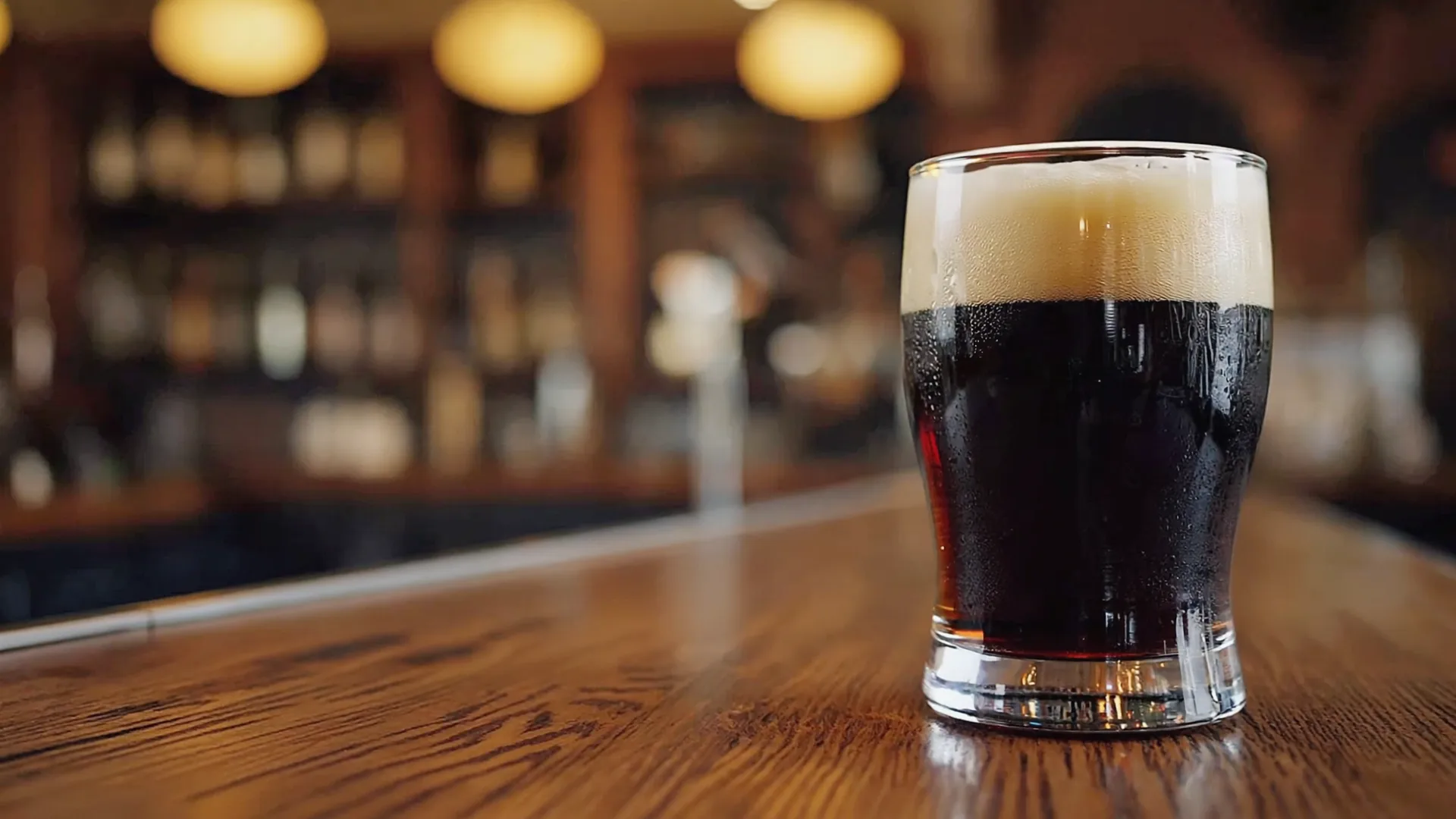
How many calories in a pint of Guinness?
Guinness publishes nutrition information for its beers, and the Draught figure — the one behind the bar — is 35 kcal per 100 ml. An Irish pint is 568 ml, so the arithmetic lands at just under 200 kcal, with published per-pint figures ranging up to about 210 depending on rounding. For context: that's fewer calories than a typical 4.5–5% lager pint (~200–222 kcal; the NHS puts a 5% pint at up to 222), and far fewer than a pint of most craft IPAs or stouts above 6%.
The calories come from two places. Alcohol itself supplies 7 kcal per gram — almost twice a gram of sugar — and a pint of Guinness at 4.2% ABV contains about 19 g of alcohol, a little under 2 Irish standard drinks (a standard drink here is 10 g of pure alcohol, per Drinkaware). The rest is mostly carbohydrate: roughly 15 g of carbs per pint.
The bottle and can story is the same per ml: a 330 ml bottle of Guinness sits around 115 kcal, and a 440 ml draught-style can around 154 kcal. The pub measure is what most people are asking about, though — and that's the ~200 kcal figure.
How a round of drinks compares
Calories vary far more by what you drink than most people expect. Using Irish pub measures — a single spirit is 35.5 ml here — here's how the usual suspects stack up:
| Drink | Approx. calories | Standard drinks (IE) |
|---|---|---|
| Guinness Draught, pint (4.2%) | ~199–210 | ~1.9 |
| Typical lager, pint (4.5–5%) | ~200–222 | ~2–2.3 |
| Guinness 0.0, pint | ~97 | 0 |
| Wine, 175 ml glass (12%) | ~158 | ~1.7 |
| Prosecco, 125 ml glass | ~80–85 | ~1 |
| Spirit (35.5 ml) + soda water | ~80 | 1 |
| Spirit (35.5 ml) + slimline tonic | ~85 | 1 |
| Spirit (35.5 ml) + regular tonic | ~150–200 | 1 |
Figures are approximations drawn from Diageo's published nutrition information, NHS calories-in-alcohol guidance and standard Irish measures — individual brands vary. The pattern, though, is robust: the mixer matters more than the spirit, wine glass size quietly doubles the total, and a pint of Guinness is nowhere near the heaviest thing on the list. Ranked strictly by calories, the alcohol with the least calories in an Irish pub is a spirit with a soda or slimline mixer (~80–85 kcal), a small prosecco just behind — and among pints, Guinness Draught sits at the low end.

The weekly maths nobody does
Three pints of Guinness a week is a touch under 600 kcal — about the same as a full Saturday-morning fry-up, consumed without ever appearing on a plate. Someone drinking four pints most weekends takes in roughly 3,400 kcal a month from pints alone; six months of that is the better part of 3 kg of body weight's worth of energy, before any late-night chips are counted. None of this makes alcohol "bad" — it makes it invisible. Liquid calories don't trigger the fullness that the same energy from food would, which is why they're the easiest calories in most people's week to overlook.
Irish guidance keeps the health frame simple: HSE low-risk guidelines cap the week at 11 standard drinks for women and 17 for men, spread across the week, with two to three alcohol-free days. Calories aside, that's the number worth knowing before the round starts. And if weight itself is the thing you're trying to move, pint arithmetic is the smaller lever — a free two-minute eligibility check shows whether doctor-led treatment is an option for you.
"But isn't Guinness the healthy one?"
The iron reputation is mostly vintage advertising. "Guinness is good for you" was a slogan from the 1920s, before advertising regulators existed to raise an eyebrow at it — and while Guinness does contain a little iron (roughly 0.3 mg a pint, a small fraction of daily needs), no modern health body recommends it as a source. What's genuinely true is narrower: at ~200 kcal, it's one of the lower-calorie pints in an Irish pub. That's a fact about energy, not a health claim.
Try the Slimbr weight loss plan
First month service fee just €49. If the doctor decides it's not suitable for you, your doctor consultation is free.

 See how the claim works →
Alcohol on Mounjaro or Wegovy: what to know
If you're taking a GLP-1 medicine for weight loss, alcohol is a fair question to bring to your own doctor — and people do, often. Here's the honest state of play, without the lecture:
- What the patient information leaflets actually say. The most common side effects of Mounjaro and Wegovy are digestive — nausea, vomiting, reflux — and the leaflets for both carry a warning about pancreatitis. Heavy alcohol use is a long-established risk factor for pancreatitis in general. The leaflets don't set an alcohol allowance; that's a conversation for the prescriber who knows your history.
- If you have type 2 diabetes too and take insulin or a sulfonylurea alongside a GLP-1, alcohol can contribute to low blood sugar — a general diabetes-guidance point your own team will already have covered.
- Some people report alcohol hits differently on a GLP-1 — feeling its effects faster, or interest in drinking dropping away. These reports are anecdotal; research hasn't settled them. Worth mentioning at your review rather than testing alone.
- The weight-loss arithmetic still applies. GLP-1s work with your appetite; they don't make calories disappear. A weekly three-pint habit still adds ~600 kcal on top of whatever the scales are doing.
What we cover in depth elsewhere: the full picture of Mounjaro side effects — common, uncommon and serious, who actually qualifies for weight-loss injections in Ireland, and what the first months on treatment are really like. Whether and how alcohol fits your treatment is a decision for you and your own doctor — if you're starting from scratch, our guide to medical weight-loss treatment in Ireland is the overview.
Practical swaps that survive a night out
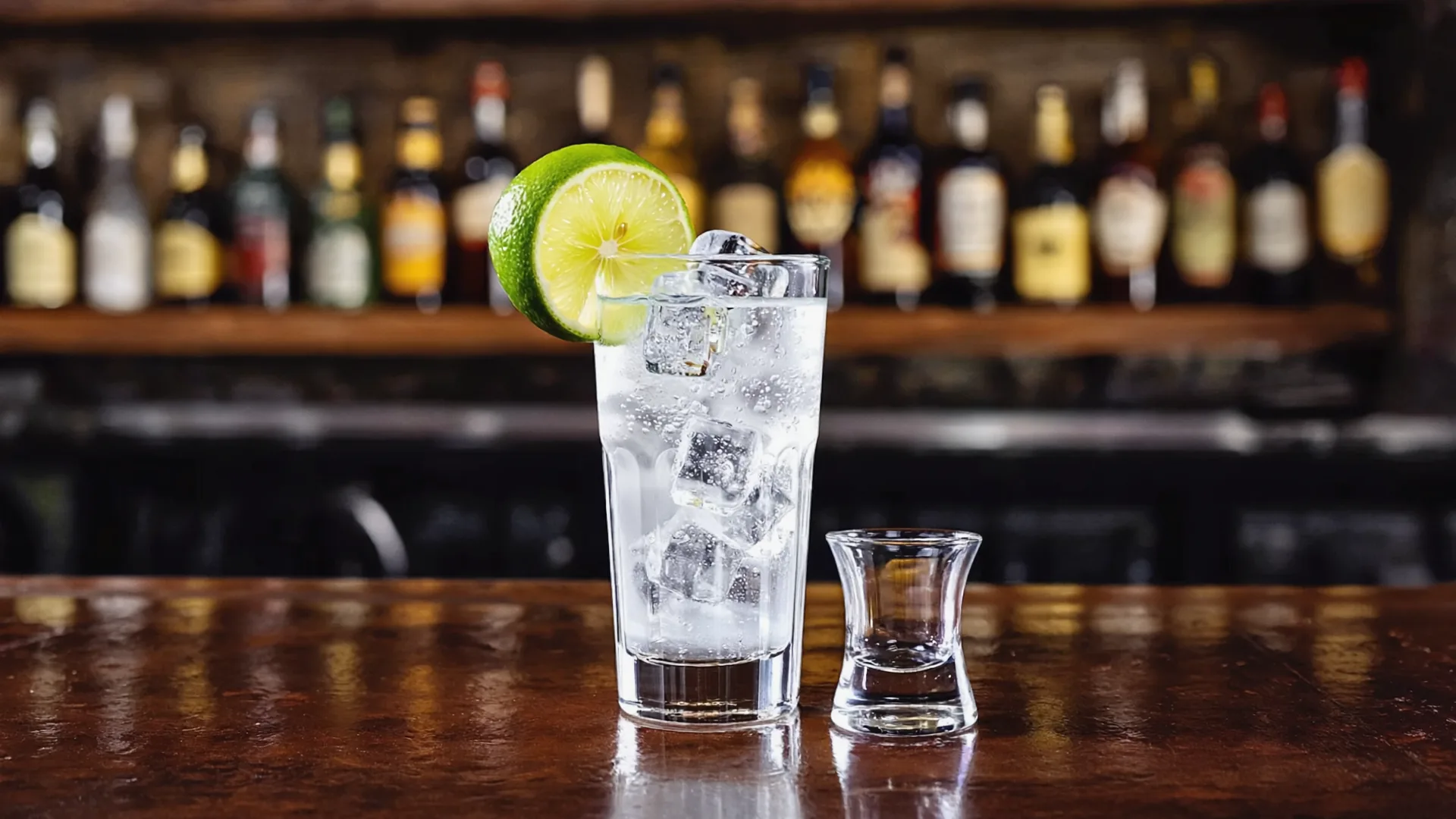
You don't need a spreadsheet to cut the total. The tactics people actually stick to: order the single, not the double (halves the spirit calories instantly); soda or slimline mixers over full-sugar (a 200 ml regular tonic adds about 75 kcal on its own — more from a can); a 125 ml wine pour where it's offered, or prosecco by the glass; and alternating pints with a soda water and lime — which looks like a drink, costs next to nothing, and resets the pace. Guinness 0.0 at ~97 kcal a pint is also genuinely drinkable, a point in its favour that its predecessor never managed.
None of this is medical advice, and none of it needs to be: it's arithmetic at the bar. The bigger lever for weight — medication, nutrition, activity, or all three together — is a medical conversation, and that starts with a proper assessment.
FAQ: Guinness calories, Ireland
How many calories in a pint of Guinness?
About 199–210. Guinness's published figure is 35 kcal per 100 ml; an Irish pint is 568 ml. A 330 ml bottle is around 115 kcal and a 440 ml can around 154 kcal.
Is Guinness more fattening than lager?
Generally, no. A pint of Guinness Draught (~199–210 kcal) usually comes in at or below a typical 4.5–5% lager pint (~200–222 kcal; the NHS puts a 5% pint at up to 222). Darker colour doesn't mean more calories — alcohol content does.
How many standard drinks is a pint of Guinness?
Just under 2 — about 1.9 Irish standard drinks, where a standard drink is 10 g of pure alcohol (Drinkaware). The HSE weekly guidelines are 11 standard drinks for women, 17 for men, spread across the week with two to three alcohol-free days.
Is Guinness 0.0 lower in calories?
Yes — roughly 97 kcal a pint (17 kcal per 100 ml) versus ~200 for Draught, with no alcohol and no standard drinks.
Can I drink alcohol while on Mounjaro or Wegovy?
There's no blanket answer: the patient information leaflets don't set an alcohol allowance, digestive side effects and individual history matter, and it's a question for your own prescriber. If you have type 2 diabetes on insulin or a sulfonylurea, alcohol can also contribute to low blood sugar — a point your diabetes team will already have covered.
Figures checked 17 October 2026. Guinness calorie and nutrition figures from Diageo's published product information (35 kcal/100 ml Draught; 17 kcal/100 ml Guinness 0.0); lager, wine and mixer comparisons from NHS calories-in-alcohol guidance. Standard-drink definitions and weekly guidelines from Drinkaware Ireland and the HSE (a standard drink = 10 g pure alcohol; weekly low-risk guidelines 11/17 standard drinks). Calories are approximations — brands and pours vary.
This article is general information, not medical advice; questions about alcohol and any medicine you take belong with your own doctor. Reading about side effects? See our guide to Mounjaro side effects in Ireland.


