
Type "appetite suppressant" or "weight loss tablets" into Google in Ireland and you'll be shown a wall of capsules, "fat burners" and miracle powders. What you won't be told is which of them are medicines, which are only food supplements, and which can genuinely hurt you. Those are three very different categories — and mixing them up is how people lose money, and sometimes much more than that.
This is the plain guide: what an appetite suppressant actually is, what's licensed and available in Ireland in 2026, what the rules on supplements really mean, and the warning signs of a product to walk away from.
Quick answer (18 October 2026): There is no over-the-counter "appetite suppressant" medicine in Ireland. The one non-prescription weight-loss medicine is orlistat 60 mg (sold as Alli), supplied through pharmacies where stocked, which works by reducing fat absorption, not appetite. Everything else on the shelf is a food supplement, which isn't assessed the way a medicine is. Medicines that act on appetite are prescription-only and need a doctor's assessment. Products sold online as "slimming pills" can contain unlisted or banned substances.
What is an appetite suppressant?
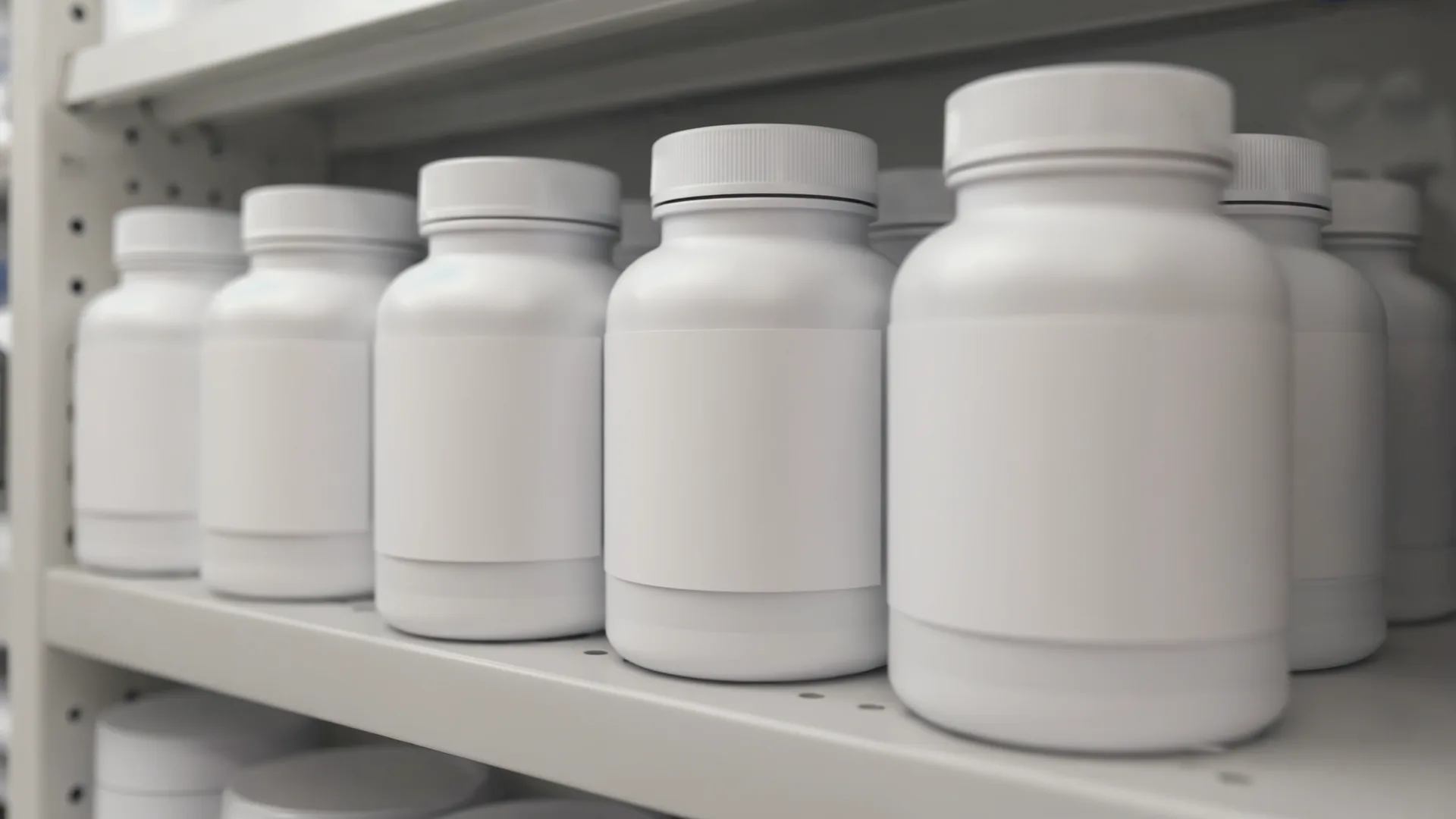
"Appetite suppressant" is a marketing phrase, not a regulatory category. In medicine, it means a drug that reduces hunger or makes you feel full sooner — by acting on the brain or on gut hormones. Those are prescription medicines, assessed for safety and effectiveness, and supplied after a doctor has reviewed your history.
A food supplement is different. It's regulated as a food, can be sold without a prescription, and isn't tested for whether it works in the way a licensed medicine must be. A tub that says "appetite control" on the front isn't an appetite-suppressant medicine; it's a product whose claims should be read with care.
What's licensed for weight loss in Ireland?
Here's the honest picture of what a doctor or pharmacist can offer, from the least to the most involved:
| Product | What it is | How you get it |
|---|---|---|
| Orlistat 60 mg (Alli) | Licensed medicine; reduces fat absorption | Pharmacist-supplied, no prescription (where stocked) |
| Orlistat 120 mg | Licensed medicine, higher strength | Prescription |
| GLP-1 medicines | Licensed medicines that act on appetite hormones | Prescription after a doctor's assessment |
| "Fat burners", "appetite control" capsules | Food supplements | Shops and online, no assessment |
| "Slimming pills" from unregulated websites | Unknown — may contain banned substances | Avoid |
We cover the tablets in depth in our guide to weight-loss pills in Ireland, including the newer oral GLP-1, and the orlistat family in orlistat and other weight-loss medicines in Ireland.
What does the evidence say about Alli?
Alli (orlistat 60 mg) is licensed for adults with a BMI of 28 or above, taken with a mildly reduced-calorie, lower-fat diet. In the European Medicines Agency's assessment, people on the 60 mg capsule lost on average about 4.8 kg over a year, compared with about 2.3 kg on placebo. These are average results from clinical trials in adults with a BMI of 28 or above, and individual results vary
Because it works by leaving some dietary fat undigested, its side effects are mainly digestive and depend on how much fat you eat. Whether it suits you is a conversation with your pharmacist or doctor.

Do weight-loss supplements work?
In the EU, supplements can only make health claims that have been formally authorised, and for weight loss there are very few. The best-known is glucomannan, a fibre: the authorised wording links it to weight loss only as part of an energy-restricted diet, when taken at the intake set out in the authorisation (at least 3 g a day, in doses of at least 1 g, with water) — follow the label and check with a pharmacist.
Note what that does and doesn't say. It doesn't claim any pill melts fat. It's tied to eating less, and it doesn't cover the green tea, caffeine, "thermogenic" or herbal blends that make up most of the "fat burner" shelf. If a label promises more than the authorised wording, treat that as the warning.
Try the Slimbr weight loss plan
First month from €229: a €49 clinical fee to Slimbr plus medication (typically about €180) paid to the independent partner pharmacy. Then €99 a month plus medication. If the doctor decides it's not suitable for you, your consultation is free.
The dangerous end: banned and hidden ingredients
The real risk isn't the harmless capsule that does nothing. It's the product that does something it doesn't tell you about. The Irish medicines regulator, the HPRA, has repeatedly warned people not to buy slimming products that may be illegally available online, because some contain unauthorised substances that are often not declared on the pack. One example it has warned about is DNP (dinitrophenol), an industrial chemical that pushes the body's metabolism to a dangerous rate and has been linked to deaths, including in Ireland.
Another, sibutramine, was a prescription appetite suppressant suspended across the EU in 2010 after a large trial found more serious cardiovascular events — a reminder that a product's safety record matters more than its marketing.
The same applies to injectables. The HPRA says it amended or removed 431 web addresses linked to GLP-1 products between January and the end of October 2024, up from 172 in 2023, and warns about the health risks of medicines obtained outside a legitimate pharmacy and without a prescription. If you want the safe way to approach an injection, our guide to buying injectable weight-loss medicines safely in Ireland explains how to check a pharmacy and what a legitimate prescription involves.
Did you know you can claim up to 75% back on your health insurance?

 See how the claim works →
Red flags: when to walk away
- It promises a number. "Lose 10 kg in a month" is a claim no regulated medicine makes.
- No questions asked. A seller who doesn't ask about your health, medicines or pregnancy isn't a pharmacy.
- "Natural" and "doctor-approved" with no doctor named. Neither phrase is a licence.
- The ingredient list is vague (a "proprietary blend") or doesn't match the claims on the front.
- It's very cheap, or impossible to trace — no registered address, no pharmacist, no returns.
What a doctor can offer instead
If you're thinking about weight-loss medication seriously, the safer route is the boring one: an assessment by a doctor who can check your history, weigh the options and monitor you. A doctor decides eligibility after assessing your BMI, history and other conditions — see who qualifies for weight-loss injections in Ireland — and our overview of weight-loss medication in Ireland lays out the licensed options side by side. You can start with a free eligibility check; a doctor decides what, if anything, is suitable.
For transparency: Slimbr is a doctor-led programme. Treatment starts from €229 in month one — a €49 clinical fee to Slimbr plus medication (typically about €180) paid to the independent partner pharmacy that dispenses it — and the eligibility quiz is free.
FAQ: appetite suppressants and weight loss pills in Ireland
Is there an over-the-counter appetite suppressant in Ireland?
No. Nothing that acts on appetite is available without a prescription. The only non-prescription weight-loss medicine is orlistat 60 mg (Alli), which reduces fat absorption rather than appetite. Medicines that act on appetite are prescription-only.
Do fat burners work?
Most "fat burners" are food supplements, which aren't assessed for effectiveness the way medicines are. In the EU only a small number of weight-related claims are authorised for supplements, and they're tied to eating fewer calories — not to a pill working on its own.
Can I buy weight-loss tablets online safely in Ireland?
Be very careful. The HPRA warns that slimming products sold online can contain undeclared or banned substances. A legitimate seller of a prescription medicine will ask for a prescription and be registered as a pharmacy.
What is Alli and who is it for?
Alli is orlistat 60 mg, licensed for adults with a BMI of 28 or above, used with a mildly reduced-calorie, lower-fat diet. Ask a pharmacist whether it's suitable for you.
What's the difference between a supplement and a medicine?
A medicine is authorised for a specific use after assessment of its safety and effectiveness. A supplement is regulated as a food and is not tested for effectiveness in the same way.
How do I know whether I'm eligible for weight-loss medication?
Eligibility is a doctor's decision based on your BMI, history and other conditions; a free quiz is the place to start.
Sources, checked October 2026. Alli licence and trial figures from the European Medicines Agency's public assessment of Alli (orlistat 60 mg). Glucomannan weight-loss claim from the EU register of authorised health claims and EFSA's 2010 opinion. DNP and undeclared-ingredient warnings and GLP-1 web-address removals from the HPRA. Sibutramine suspension from the EMA's January 2010 recommendation (SCOUT trial).
This article is general information, not medical advice. Talk to your pharmacist or doctor before taking any weight-loss product, especially if you take other medicines or are pregnant or breastfeeding.


