
"What I eat in a day" videos pull millions of views, and the most popular flavour of them right now is the high-protein workday — an ordinary 9-to-5 of eating that quietly stacks up 150g or more. If you are on Mounjaro, Wegovy or another GLP-1 medicine, the interesting question underneath those videos is not the exact menu. It is how you get enough protein when your appetite is smaller than it used to be. Here is a calm, Irish-food-first version.
Quick answer (October 2026)
When you are losing weight quickly, a meaningful share of what you lose can be lean tissue, not just fat — which is why clinicians keep bringing up protein and strength work alongside GLP-1 treatment. Guidelines used in obesity care commonly suggest protein in the region of 1.2 to 1.6 grams per kilogram of body weight per day for adults losing weight, sometimes calculated on an adjusted body weight. Your own target should be set with your doctor or dietitian. The practical bit — spreading protein across the day using ordinary Irish food — is what the rest of this guide shows.
Why protein comes up so often on GLP-1s
GLP-1 medicines work partly by quietening appetite, so you simply eat less. That is the point — but a smaller total intake makes it easier to fall short on protein, and protein is one of the inputs your body uses to hold onto muscle while you lose fat. In trials of these medicines, a meaningful share of the weight some participants lost was lean tissue rather than fat.
The evidence on exactly how much protein minimises that is still developing, and nobody should promise you a number. What most obesity-care clinicians agree on is simpler: pay attention to protein, and do some form of resistance exercise. We go through the trial detail in our guide to preserving lean mass on a GLP-1 and the training side in the strength-training companion piece.
A high-protein workday, Irish version
Here is one realistic working day built entirely from food you can buy in any Irish supermarket or deli. It is an illustration, not a prescription — portions that suit you are a conversation for your own clinician or dietitian. Protein figures are approximate, based on standard food-composition values.
| When | What | Protein (approx.) |
|---|---|---|
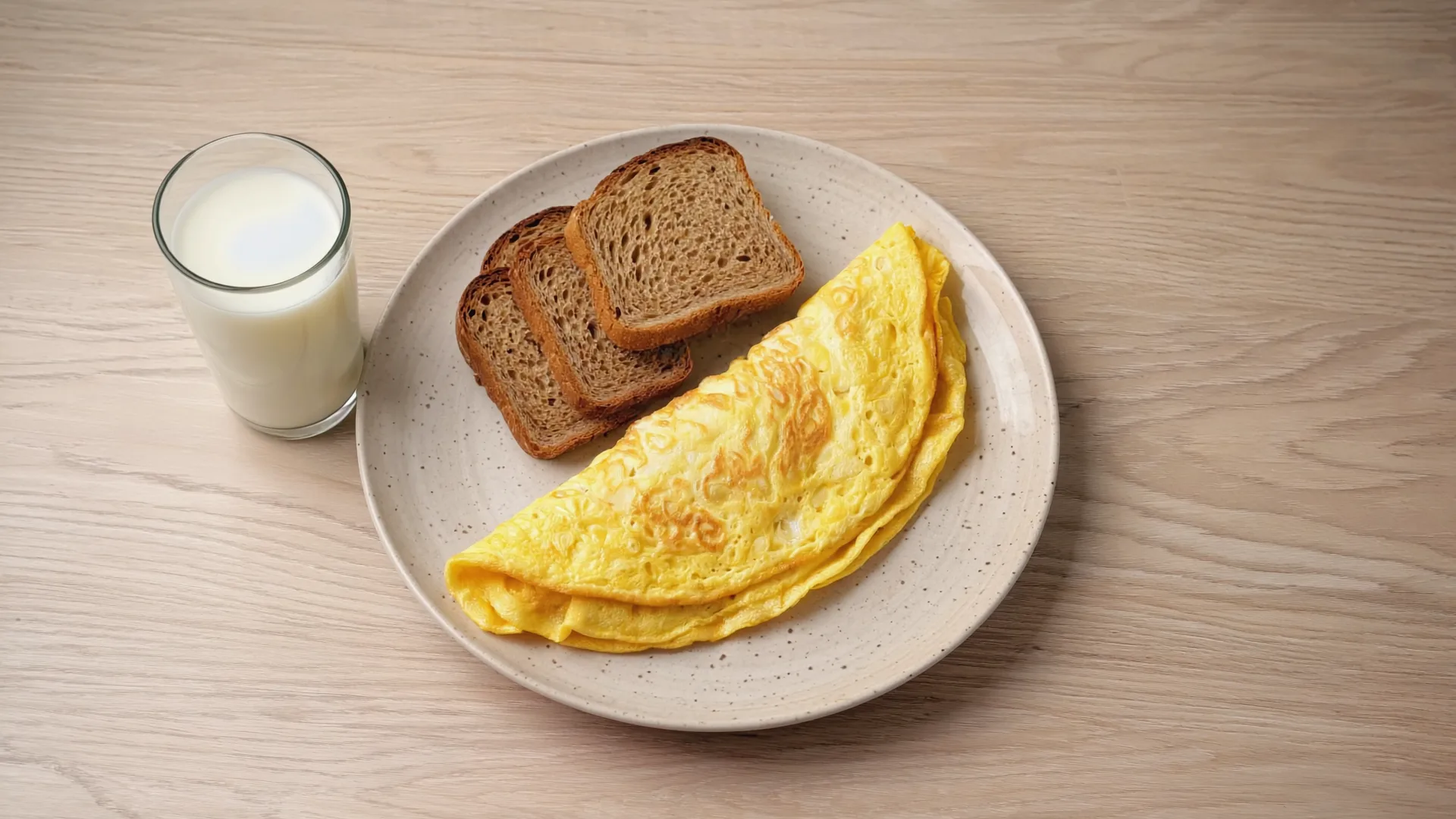
| 7:15 — breakfast | Two-egg omelette, one slice of brown bread, glass of milk | ~27g |
| 10:30 — desk snack | Greek yogurt pot with a few almonds | ~18g |
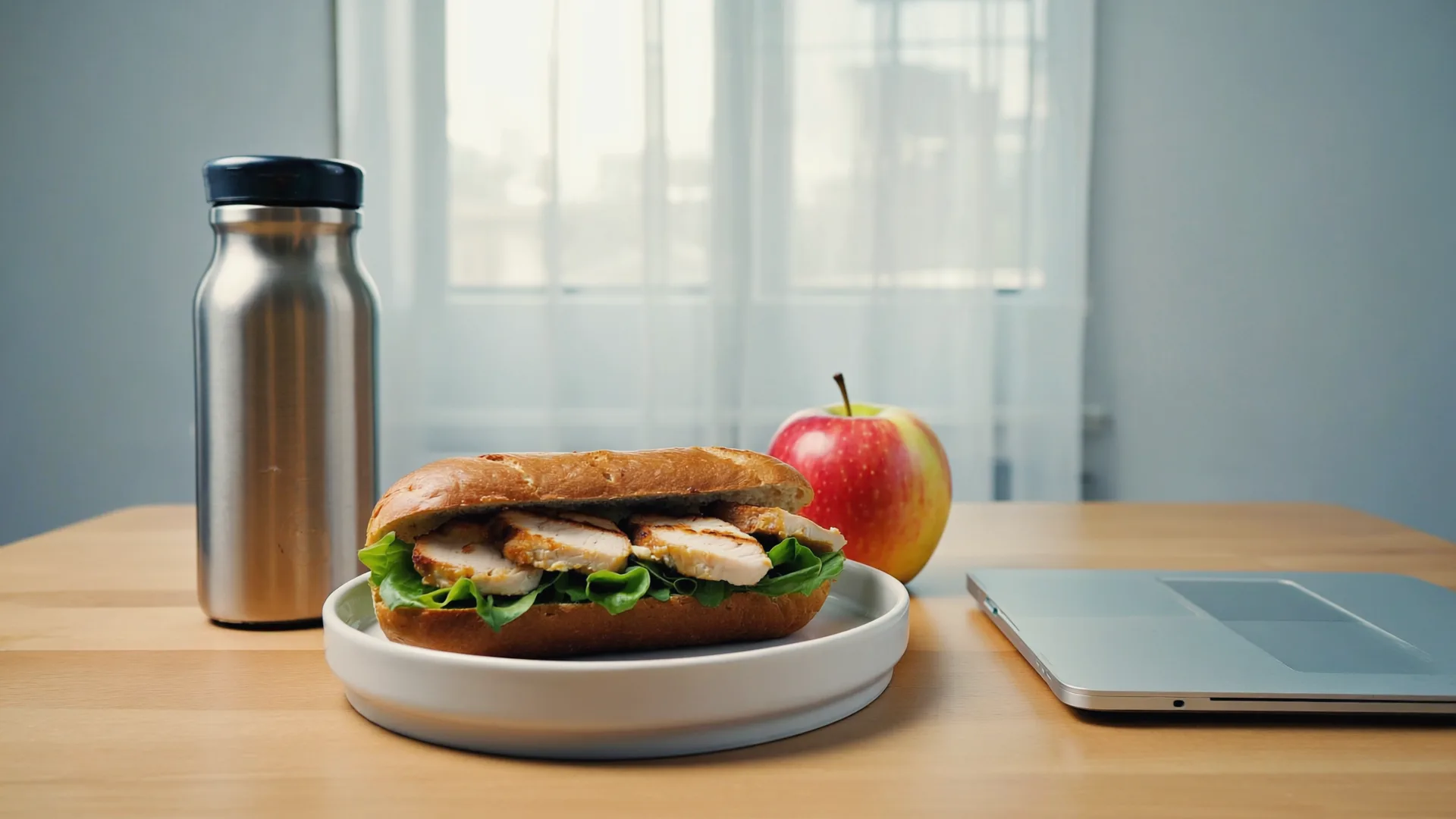
| 13:00 — lunch | Chicken fillet roll, brown roll, full small fillet, some salad | ~38g |
| 16:30 — snack | High-protein yogurt and an apple | ~15g |
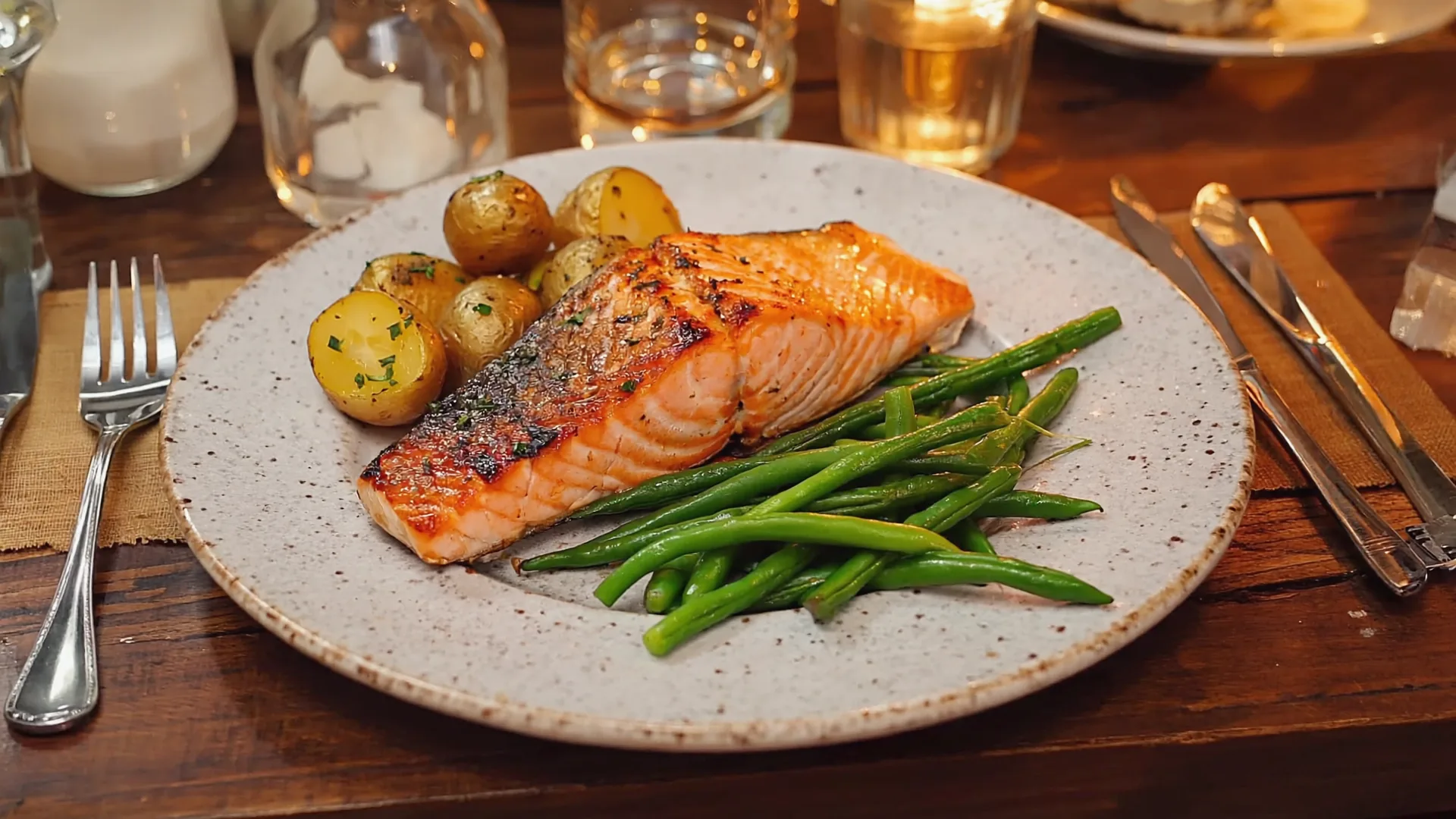
| 19:00 — dinner | Salmon fillet, potatoes and greens | ~35g |
| Optional, before bed | Glass of milk | ~10g |
| Day total | Ordinary food, nothing exotic | ~130–145g |
We have deliberately not tallied calories here. On a supervised programme your overall plan handles energy intake; this page is only about how protein can be spread through a normal Irish day. If you are curious what the lunch counter staples cost you in calories, we have already done that maths in our Irish takeaway and deli calorie guide.
Where the protein hides in ordinary Irish food
You do not need imported products or a supplement cupboard. Roughly, per ordinary portion:
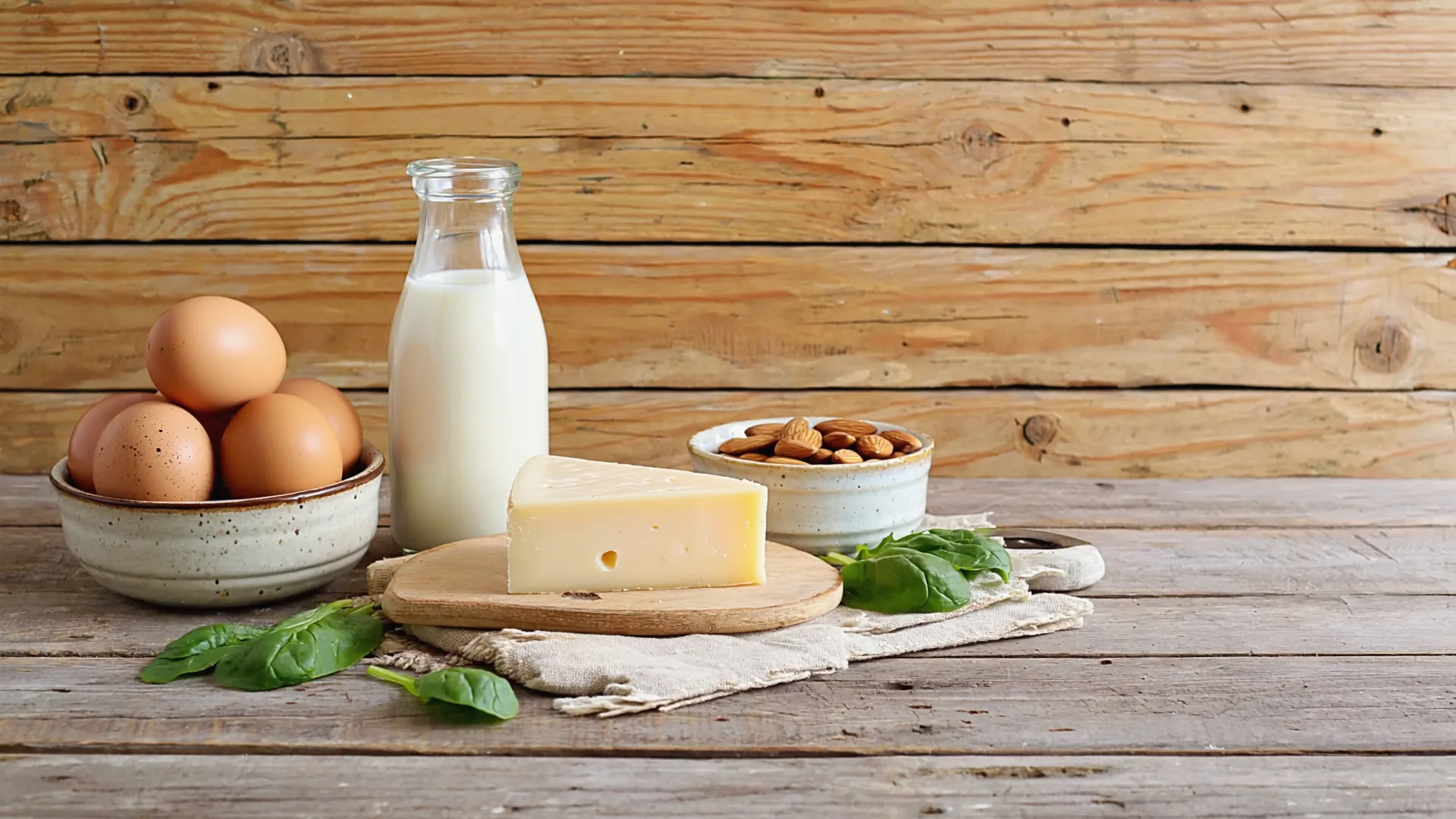
- Eggs — a large egg carries about 6–7g; two at breakfast is a quiet 13g start.
- Milk — a 300ml glass gives about 10g; a latte is a smaller but real contribution.
- A tin of tuna — around 25g drained, one of the cheapest hits in the shop.
- Chicken — a cooked fillet runs about 30g per 100g, so a whole small fillet is 35–45g.
- Beef or lamb mince — a palm-sized cooked portion is around 25–30g.
- Salmon or white fish — a standard 140g fillet is roughly 30g.
- Greek and high-protein yogurts — typically 10–20g per pot; labels vary, so check.
- Cheese — a matchbox-sized 30g piece is about 7g.
- Baked beans — half a standard tin is around 10g.
None of these are exotic, and most survive a busy workday — a roll from the deli, a yogurt from the office shop, a tin from the press at home.
When appetite is small, distribution does the work
The practical problem on a GLP-1 is not knowing that protein matters — it is fitting it into a smaller appetite. A few patterns that tend to work, and that a dietitian would recognise:
- Front-load gently. A protein-anchored breakfast makes the rest of the day easier than starting from behind.
- Think per bite, not per meal. Swapping a plain roll for a fillet roll, or a biscuit break for a yogurt, raises the day without adding volume.
- Small and often. Three modest meals plus one or two protein snacks usually beats two large ones when appetite is suppressed.
- Keep the enjoyable version. A chicken fillet roll is not a compromise food in Ireland — it is a legitimate 35–40g of protein that happens to come in bread.



 See how the claim works →
Practical next steps
Try the Slimbr weight loss plan
First month service fee just €49. If the doctor decides it's not suitable for you, your doctor consultation is free.
What about protein shakes and powders?
They exist for exactly this situation — a compact, low-volume protein source when eating feels like effort — and many people on GLP-1s use one a day as a gap-filler rather than a meal replacement. A typical scoop gives around 20g, though products vary, so read the label. Food first is still the sensible default; a shake is a convenience, not a requirement, and whether it suits you is worth a quick word with your own clinician or dietitian. If you would rather have the whole question handled with your treatment, see how a supervised programme works.
Try the Slimbr weight loss plan: first month service fee just €49 →
The bottom line
A high-protein workday in Ireland does not look like a fitness influencer's fridge. It looks like eggs and milk at breakfast, a fillet roll at lunch, fish or mince at dinner, and a yogurt or two in between — roughly 120g before you notice you have tried. If you are on a GLP-1, that ordinariness is the advantage: smaller appetite, same ordinary food, protein kept in view. For the full picture of treatment in Ireland, start with our Mounjaro and weight-loss treatment guide.
FAQs: protein on GLP-1s in Ireland
How much protein should I eat on Mounjaro or Wegovy?
There is no single number that fits everyone. Guidelines commonly used in obesity care suggest roughly 1.2–1.6g per kilogram of body weight per day while losing weight, sometimes on an adjusted body weight. Your own target should be set with your doctor or dietitian.
What is the highest-protein ordinary food in Ireland?
Per portion, a whole chicken fillet (35–45g), a tin of tuna (around 25g) and a salmon fillet (around 30g) are among the best everyday values. Milk, eggs and yogurt quietly add most of the rest.
Are protein shakes safe with GLP-1 medicines?
For most people a standard whey or plant protein shake is simply food in convenient form, and many use one to fill a gap when appetite is low. Whether and how one fits your situation is worth confirming with your own clinician, especially if you have kidney problems.
What if my appetite is very small and I cannot eat much?
Spread smaller protein portions across the day and prefer higher-protein-per-bite choices — yogurt over a biscuit, milk over juice, the fillet roll over the plain one. If eating stays genuinely difficult, raise it at your review rather than pushing through alone.
Does eating more protein stop muscle loss on a GLP-1?
It helps, but it is not a guarantee. Trials show some lean tissue is typically lost alongside fat during rapid weight loss, and the research on how much protein minimises that is still developing. Protein plus resistance exercise is the combination clinicians focus on — the detail is in our lean-mass guide.


